What the rules say
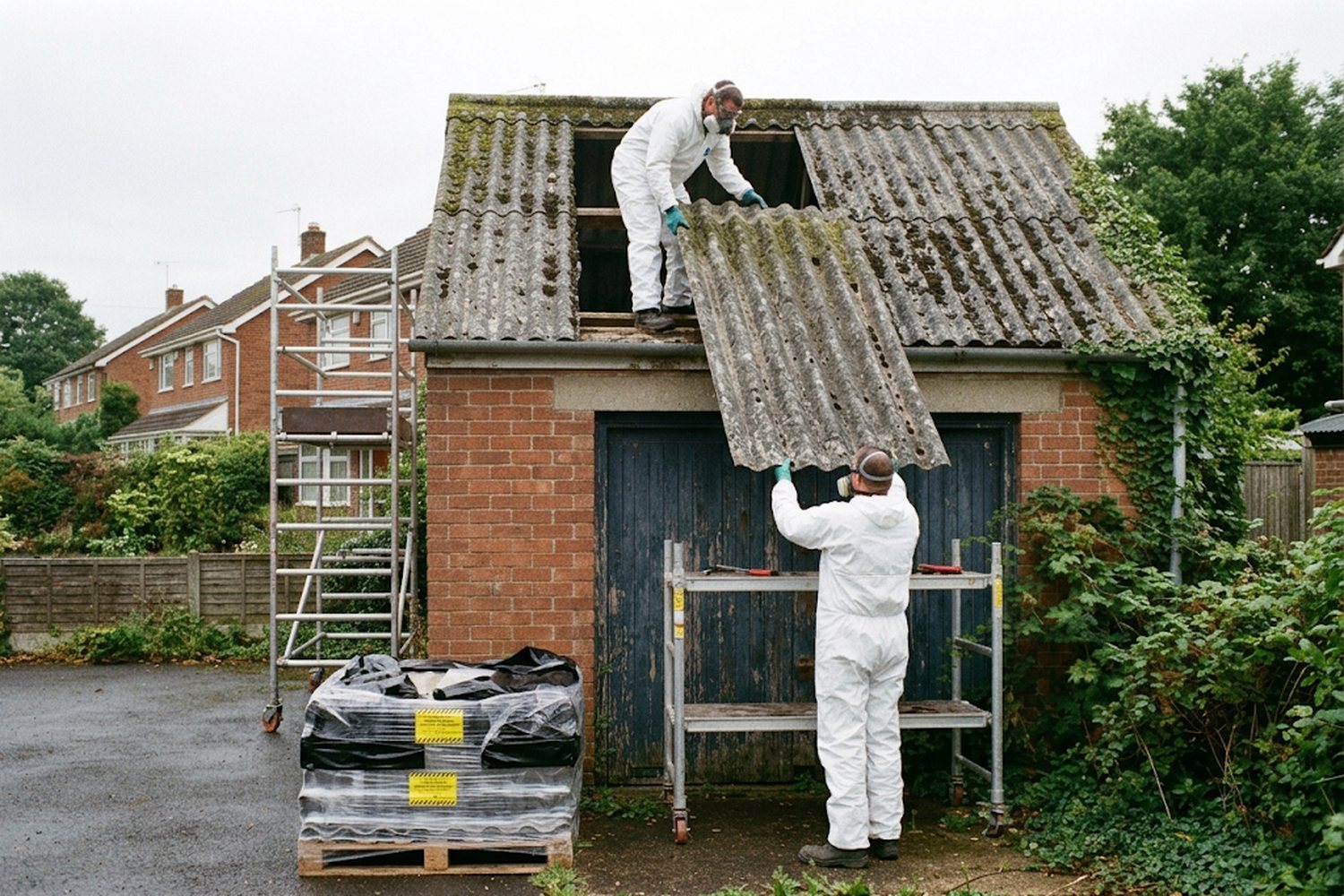
The Control of Asbestos Regulations treat asbestos cement as lower risk than materials such as sprayed coatings or insulation board. That is why removal is often non-licensed work. Non-licensed does not mean unregulated. Workers still need training, correct equipment, a way of keeping dust down, and a lawful way to dispose of the waste. Some non-licensed work must also be notified to the enforcing authority.
Where DIY goes wrong
- Breaking sheets rather than lifting them whole, releasing fibre
- Dropping sheets from height onto the ground
- Using the wrong dust mask or none at all
- Contaminating clothes, car and home
- Putting waste in household bins or a skip
- Burning or burying sheets, which is unlawful and dangerous
The waste problem
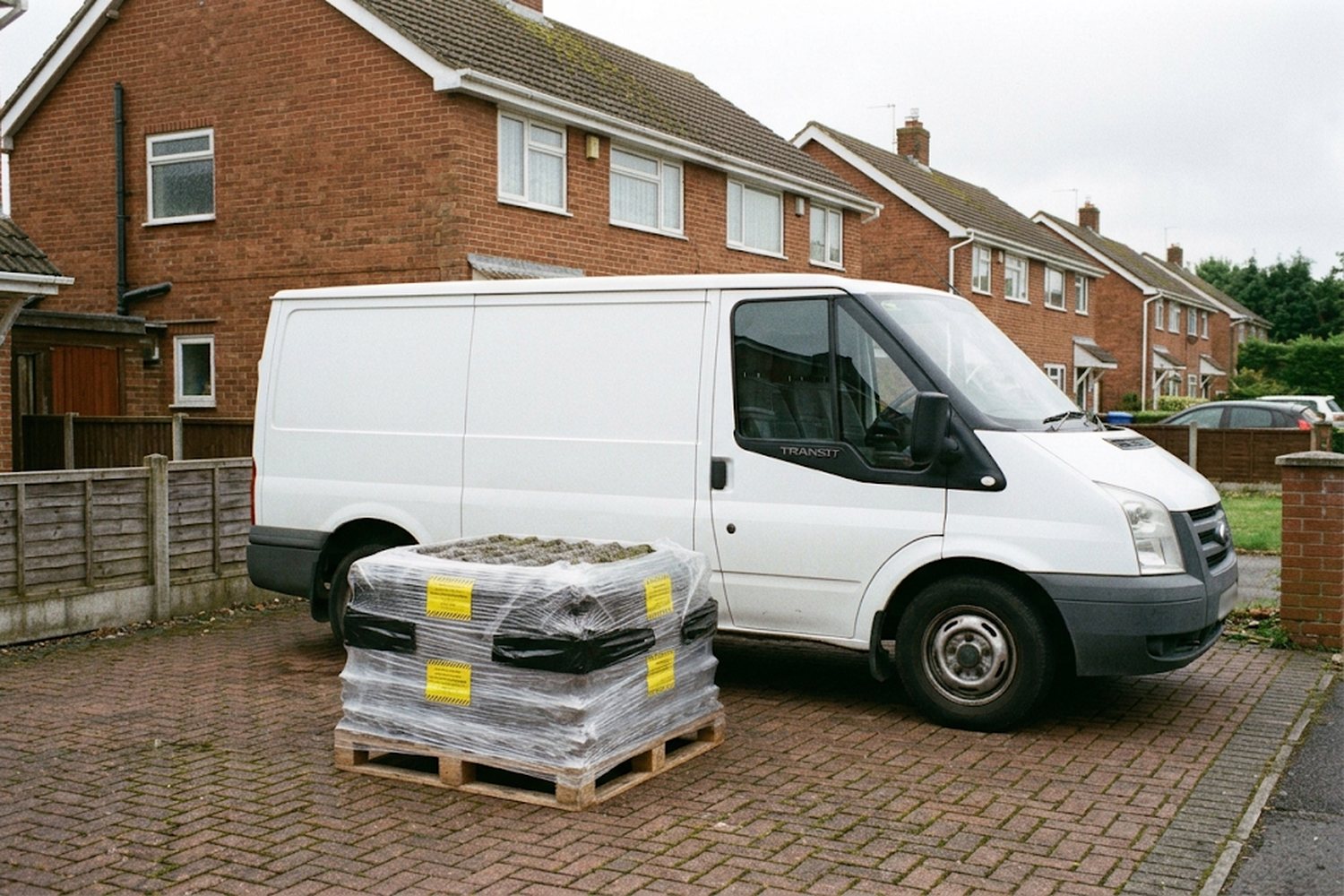
Even if you could take the roof off safely, you would still have hazardous waste to dispose of. It must be packed and labelled, carried by a registered carrier and delivered to a permitted site. Many household recycling centres do not accept it or accept only small amounts under strict conditions.
If you have already started
Stop work. Keep people and pets away. Do not sweep or vacuum dust. Wet any debris gently and cover it with polythene. Ask a contractor to inspect and advise on clean-up. Wash your hands and put contaminated clothing in a sealed bag.
The practical answer
For most people the safest and simplest choice is a trained contractor who brings the equipment, handles the sheets properly and takes the waste away with paperwork.
See HSE guidance on asbestos (hse.gov.uk/asbestos) for current rules.